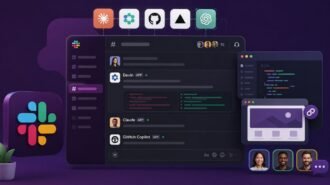
Slack launches Slack Code, adding shared channels where teams can review, guide, and track AI coding agents like Claude and Devin in real time.

Slack has rolled out a new feature called Slack Code, letting teams bring AI coding assistants directly into shared Slack channels instead of leaving them in private tools. The update is available now and works with Claude, Devin, GitHub Copilot, and Vercel, with ChatGPT support expected soon. It marks a shift from solo AI coding sessions toward a more visible, team-based approach to software development.
The core idea is a “code channel,” a temporary workspace that opens automatically when someone assigns a task to a supported AI agent. Coworkers can watch the agent work in real time, review code edits, check live previews, and jump in if changes are needed. Once the task wraps up, the channel closes and archives on its own, keeping a searchable record of everything that happened.
Slack says the idea grew out of its own internal struggles. Long agent tasks were clogging regular chat threads, while private agent sessions left most of the team in the dark. Code channels were designed to solve both issues by giving AI work enough room to breathe without cutting it off from the rest of the conversation happening around it.
Early data from Slack shows that over seventy percent of these code channels open and close within a single day, covering the full path from idea to a merged code change. The company is pitching this speed for smaller jobs like bug fixes and minor updates, tasks that often get pushed aside and never addressed in a typical backlog.
Non-engineers can take part too. A designer or product manager can add files or notes to a channel while the agent is still working, and the agent can factor that input directly into its output. In one example, a designer shared a Figma file mid-task, and Devin used it to shape the finished result without needing a separate handoff.
Each partner has shaped the feature around its own strengths. Claude can shift longer coding tasks into a dedicated channel while still posting updates back to the original thread. Vercel’s integration adds shareable preview links, and GitHub’s version is aimed at letting non-technical staff describe a problem in plain language before an engineer reviews the fix.
In short, Slack Code turns AI-assisted coding into a shared, trackable process rather than a private one. Slack has said it may extend the same channel-based approach to other kinds of work down the line, such as marketing tasks or contract reviews. For now, the rollout is centered on giving engineering teams a shared home base for working alongside AI coding agents.
Trending